The First 24 Hours After Water Damage: Why Speed Matters
A burst supply line, a failed water heater, or a slab leak under the foundation can push gallons of water into your home before you notice a thing. Then the panic sets in, and you want one answer: how fast do you have to move? Fast. The clock starts the second water touches building materials, and the choices you make that first day decide how much of the house you keep and how much you tear out. What follows is the hour-by-hour reality, why speed changes the outcome, and what a real response looks like when water spreads through a Phoenix-area home.
Quick Answer: The first 24 hours after water damage matter because water keeps moving into drywall, insulation, subflooring, and framing the entire time it sits, and wet organic materials can start supporting mold growth within roughly 24 to 48 hours. Fast water extraction, airflow, and dehumidification stop that migration, protect structural materials, and keep a contained problem from turning into a whole-room rebuild. The sooner drying begins, the more of the original structure survives.
Water Does Not Sit Still
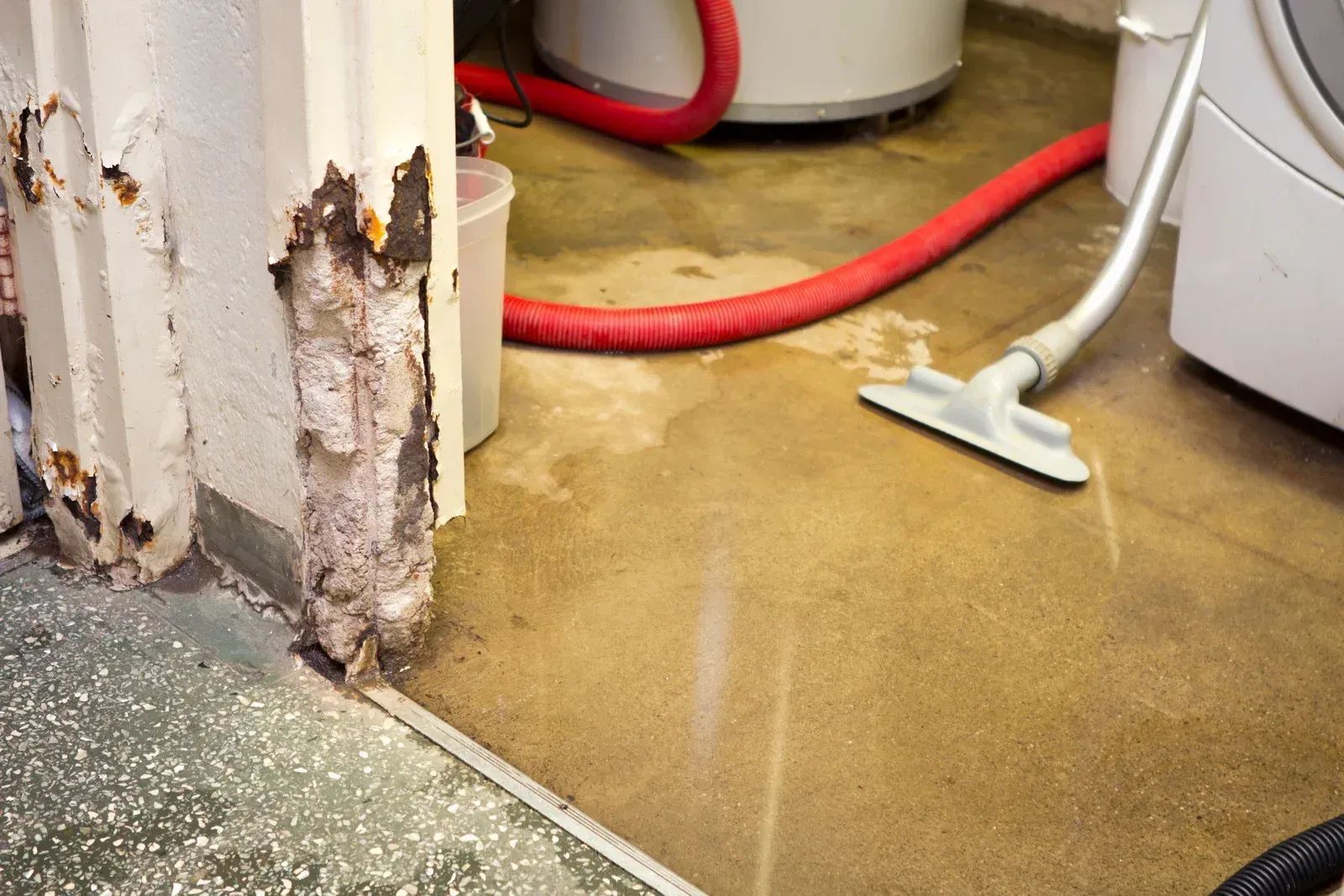
The biggest misunderstanding about water damage is that a puddle stays a puddle. It does not. Water follows gravity down and then wicks sideways and upward through porous materials by capillary action. Within minutes, drywall pulls moisture up from the floor. Within an hour or two, that moisture has traveled behind baseboards, under cabinets, and into the subfloor beneath the finished surface you can see. What looks like a small wet patch on a tile floor is often the visible edge of a much larger wet zone hidden inside the wall cavity and under the flooring.
And this is why the towel-and-box-fan approach most people reach for rarely solves anything. You dry the top layer while the framing, insulation, and subfloor stay soaked. A wall can feel bone dry to the hand while the studs behind it hold water for days. We see it constantly. That trapped moisture is what drives the secondary damage that shows up later: swelling, warping, delamination of flooring, staining, and a lingering musty odor that will not clear.
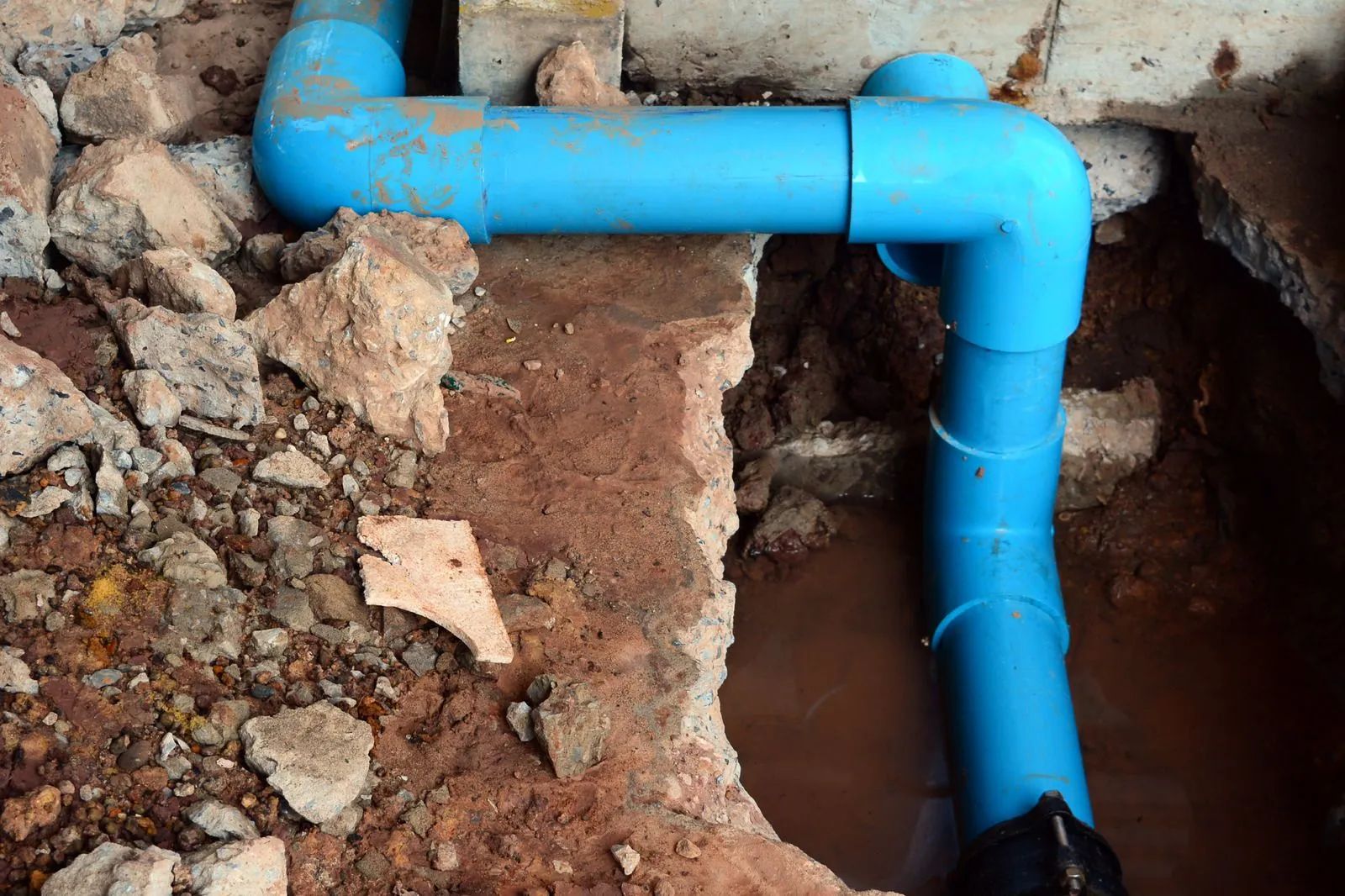
In older Phoenix and Mesa homes, this migration can be worse than expected. Aging supply lines and original plumbing fail without warning, and homes built on slab foundations can hide a leak under the concrete that pushes moisture up into flooring and lower walls long before a stain appears. The desert climate does not protect you once water is inside the building envelope. Air conditioning keeps interiors cool but does little to pull deep moisture out of saturated framing on its own.
The 24 to 48 Hour Window
There is a widely referenced benchmark in the restoration field: wet building materials can begin supporting mold growth within roughly 24 to 48 hours if they are not dried. The spores that start that growth are already present in every indoor environment. What they need is a food source, which porous building materials like drywall paper, wood, and carpet backing readily provide, plus sustained moisture and normal indoor temperatures. Water damage supplies the moisture, and the other conditions are already in place.
Treat that window as a practical drying target rather than a countdown to disaster. Materials dried quickly and thoroughly inside that window have a strong chance of being saved. Materials left wet past it move into a different category of problem, where removal and replacement become more likely and the affected area tends to grow. For the purposes of your first day, the takeaway is simple: dry fast, dry aggressively, and do not assume that dry-looking surfaces mean dry materials underneath.
TIP: Keep indoor humidity as low as you can while you wait for a crew. If outdoor air is drier than the air inside, open a window and run a fan toward the wet area. If it is more humid outside, keep the house closed and run a dehumidifier and the air conditioning instead. Holding humidity down slows how fast moisture spreads into dry materials nearby.
Category Matters More Than Volume
Not all water is equal, and the source determines how the response has to be handled. Restoration professionals sort water into three broad categories.
Clean Water
Category 1 is clean water from a sanitary source, such as a supply line, a water heater feed, or an overflowing sink with no contaminants. Caught early, clean water gives you the best odds of drying materials in place and keeping them.
Gray Water
Category 2, often called gray water, carries some contamination. Think discharge from a washing machine or dishwasher, or water that has picked up contaminants as it moved through the structure. It requires more careful handling and cleaning, and some affected materials may not be salvageable.
Contaminated Water
Category 3 is grossly contaminated water, including sewage backups and floodwater that has contacted the ground outside. This water demands professional containment and controlled removal of affected porous materials. It is not something to push around with household fans.
One detail that surprises people: category is not fixed. Clean water that sits long enough, especially in the desert heat that builds up inside a closed home, can degrade into a higher category as it stagnates and contacts contaminants in the structure. That degradation is one more reason the first hours matter. Fast removal keeps a clean-water event from becoming a dirtier, more involved one.
What a Professional Response Looks Like in the First Day
When a restoration crew arrives, the work follows a deliberate sequence built to stop migration and start drying before that 24 to 48 hour window closes.
Stop the source and assess
Everything starts with cutting off the water and finding the true extent of the damage. Crews use moisture meters and thermal imaging to map where water has traveled, including the hidden pockets behind walls and under flooring that are invisible from the room. You cannot dry what you have not found, so mapping comes first.
Extract standing water
Truck-mounted and portable extraction units pull standing water out fast, far faster than any wet-dry vacuum. Removing bulk water immediately cuts off the supply that keeps feeding the wall cavities and subfloor.
Remove what cannot be saved
Some materials hold water too stubbornly to dry in time. Saturated carpet padding and soaked insulation are common examples. Pulling them promptly protects the materials around them that still have a chance.
Set up structural drying
This is where the science shows. Crews place high-velocity air movers to sweep moisture off surfaces and into the air, then run commercial dehumidifiers to pull that moisture out of the air so it cannot resettle. The goal is a controlled drying environment, typically holding humidity low enough that materials release their moisture steadily.
Monitor to a dry standard
Drying is not done when a surface feels dry. Crews take daily moisture readings and compare wet materials against a dry baseline, adjusting equipment until the structure reaches target levels. This verification step is what separates a genuine dry-out from a cover-up that traps moisture inside the wall.
WARNING: Do not enter standing water if it is anywhere near outlets, a breaker panel, or appliances until power to that area is confirmed off from a dry location. If a ceiling is sagging and holding water, stay out from under it. Safety comes before any cleanup, and no piece of furniture is worth the risk.
Why Waiting Turns a Dry-Out Into a Rebuild
Every hour water sits, the boundary between "dry this in place" and "cut this out and rebuild" moves in the wrong direction. Drywall that could have been dried starts to crumble. Wood flooring cups and warps past the point of refinishing. Subfloor swells and loses strength. Baseboards and cabinet bases delaminate. The wet zone that started under one room creeps into the next.
Speed is the single biggest factor you actually control. You cannot change how much water came in or where the pipe failed, but you can change how fast drying begins. A home that gets extraction and airflow going within hours often keeps most of its original materials. The same home left to sit for two or three days frequently needs demolition and reconstruction of areas that were perfectly salvageable on day one. That is the real reason speed matters. It is the difference between drying a house and rebuilding part of one.
For homes across Chandler, Gilbert, Tempe, Scottsdale, and the wider Phoenix metro, the monsoon season adds its own pressure. Storm-driven flooding and roof intrusion arrive with little warning and often bring category concerns along with volume. The response principles do not change, but the urgency climbs, and having a plan before the water arrives puts you ahead.
Frequently Asked Questions
How soon after water damage should drying actually start?
As close to immediately as possible. The first few hours matter most, since water is still migrating into dry materials. Fast extraction and airflow limit how far damage spreads and improve how much structure can be dried in place.
Can I just dry it myself with fans and a shop vacuum?
For a tiny, clean-water spill caught instantly and dried within a day, home equipment may work. But consumer tools only reach surfaces, missing moisture inside walls or under flooring. Larger, older, or contaminated water calls for professional extraction.
Is water damage really a concern in a dry desert climate?
Yes. Dry outdoor air does nothing for moisture already trapped inside walls and framing. A closed-up home holds that moisture, sometimes speeding breakdown. Slab leaks and aging plumbing in older Phoenix-area homes add intrusion sources unrelated to outdoor humidity.
Why does hidden moisture matter if the floor looks dry?
Because the surface dries first and shows trouble last. Water wicks into framing and subfloor and lingers there while the finish looks fine. Moisture meters and thermal imaging are the only reliable way to confirm materials behind the surface have truly dried.
What makes professional drying different from opening windows?
Professional drying is a controlled system, not just moving air. Crews balance air movers with commercial dehumidifiers, then verify progress with daily moisture readings. Opening windows helps only situationally and rarely reaches the deep moisture driving long-term damage.
Act Fast to Save Your Phoenix Home
Water damage rewards speed and punishes hesitation. The first 24 hours decide how much of your home survives, since that's the window when water is still spreading and materials can still be dried in place rather than removed. Shut off the source, keep everyone safe, and get professional drying underway before the problem widens. Homes across the Phoenix metro face this same race against the clock every time a pipe fails, a water heater gives out, or monsoon storms push water where it doesn't belong.
With 20+ years serving Phoenix, Arizona homeowners, Simply Restoration
knows how quickly a small leak turns into a full rebuild when drying is delayed. Our crews map hidden moisture, extract standing water fast, and monitor every material against a true dry standard before calling the job done. When water hits your home, reach out right away, since the choices made in that first day determine how much of your original structure you actually keep.