The Water Damage Timeline: How a Small Leak Becomes a Major Structural Problem Within Days
You noticed a small damp spot on your ceiling three days ago. It was barely the size of a dinner plate, and you told yourself you would deal with it over the weekend. Now the drywall is soft to the touch, the stain has doubled in size, and there is a faint musty smell you cannot quite place. This is the exact moment most Phoenix homeowners realize that a small leak does not stay small.
What happens between the first drip and serious structural damage is not slow. Water moves through building materials faster than most people expect, and the damage compounds in ways that are not visible until the problem is already expensive. After handling hundreds of water damage calls across Phoenix, we can tell you that the gap between a minor repair and a major restoration almost always comes down to how many hours passed before someone called.
What Happens in the First 24 Hours
Water damage does not wait. Within the first hour of active moisture intrusion, drywall begins absorbing water at a rate that depends on the material's age and the volume of the leak, but even a slow drip of roughly half a gallon per hour can saturate a 4x4 section of standard half-inch drywall within 6 to 8 hours.
Minutes 1 to 60. Water spreads horizontally through porous materials before it spreads downward. Insulation, subflooring, and wall cavities begin absorbing moisture before any surface staining is visible. This is the window where stopping the source costs almost nothing.
Hours 1 to 8. Drywall begins to soften and lose structural integrity. Wood framing absorbs moisture at the grain, beginning a swelling process that warps fastener connections. Flooring adhesives in laminate and engineered wood products begin releasing.
Hours 8 to 24. Moisture levels in wall cavities reach the threshold where mold spores already present in the environment find conditions suitable for germination. Per EPA guidelines, mold can begin active growth within 24 to 48 hours of moisture exposure. In Phoenix, where interior humidity spikes dramatically during monsoon season between July and September, this window can be shorter because ambient spore counts are elevated during those months.
TIP: If you find a wet area on your ceiling or wall, press the drywall firmly with your thumb. If it gives more than a few millimeters or feels spongy, the damage has already moved beyond the surface and into the structure behind it. That test tells you immediately whether you are dealing with surface moisture or absorbed saturation.
WARNING: If a water leak is anywhere near an electrical panel, outlet, junction box, or wiring run, do not touch standing water or wet materials in that area. Water and electrical current traveling through a structure is a genuine electrocution risk. Shut off power at the breaker before approaching, or call a professional and stay clear.
Days 2 and 3: Where It Gets Expensive
By the end of the second day, the damage profile changes from water intrusion to structural compromise. This is the period we see most often when Phoenix homeowners finally call, and it is where the scope of work shifts considerably.
Wood framing members that have been continuously wet for 36 to 48 hours reach a moisture content above 19 percent, which is the threshold where wood rot fungi become active. Unlike mold, which can be remediated from surfaces, wood rot degrades the cellular structure of the framing itself. A floor joist or wall stud that has begun to rot cannot be dried back to full strength. It requires replacement.
Subfloor panels made from OSB, which is the material used in the majority of homes built in Phoenix after 1995, begin to delaminate and swell at the edges when moisture content exceeds roughly 16 percent. Once OSB delaminates, it cannot be re-dried to its original structural specification.
On day three, if the source has not been stopped, you are typically looking at drywall replacement across a wider area than the original stain suggested, possible subfloor replacement, potential framing repair, and mold remediation as a separate line item.
Water Damage Symptoms and What They Mean
| What You Are Seeing | Most Likely Cause | Severit | First Step |
|---|---|---|---|
| Ceiling stain, paint bubbling, no soft spots | Slow pipe drip above or roof intrusion | Medium | Locate source above, press drywall to test saturation |
| Soft or spongy drywall, ceiling or wall | Active leak, saturation beyond surface | High | Stop water source, call restoration immediately |
| Musty odor, no visible staining | Moisture in wall cavity or under floor | High | Moisture meter reading needed, mold likely present |
| Buckling or lifted laminate flooring | Water under flooring, adhesive failure | High | Do not walk on area, flooring and subfloor both affected |
| Dark streaking on exterior walls inside | Roof flashing failure or window seal breach | Medium | Check attic and roof line; interior may be worse than visible |
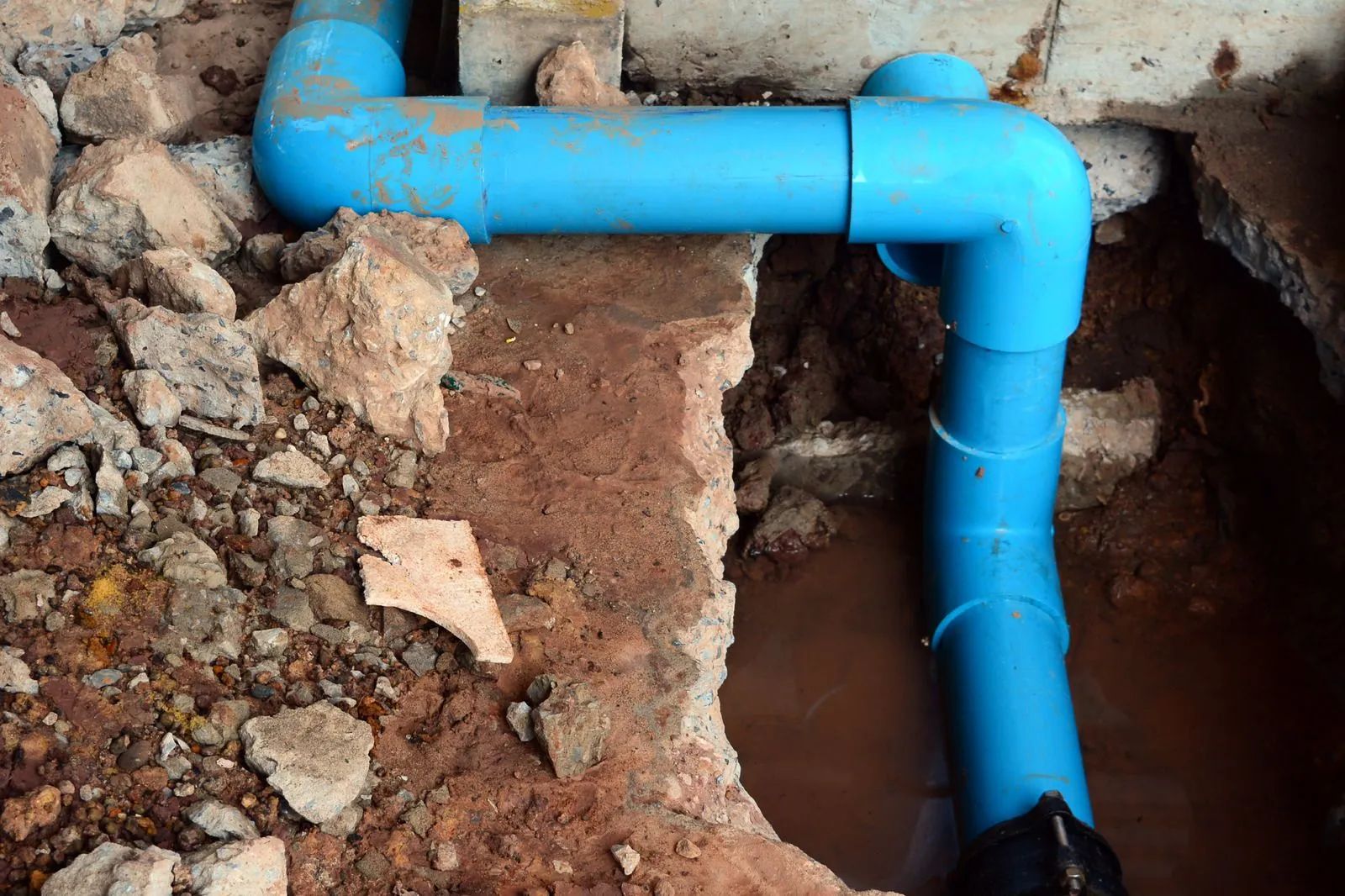
| Peeling paint near baseboards | Slab leak or ground moisture intrusion | High | Check water meter for movement with all fixtures off |
| Swollen door or window frames | Prolonged moisture in framing, wall cavity wet | High | Indicates structural moisture, not just surface issue |
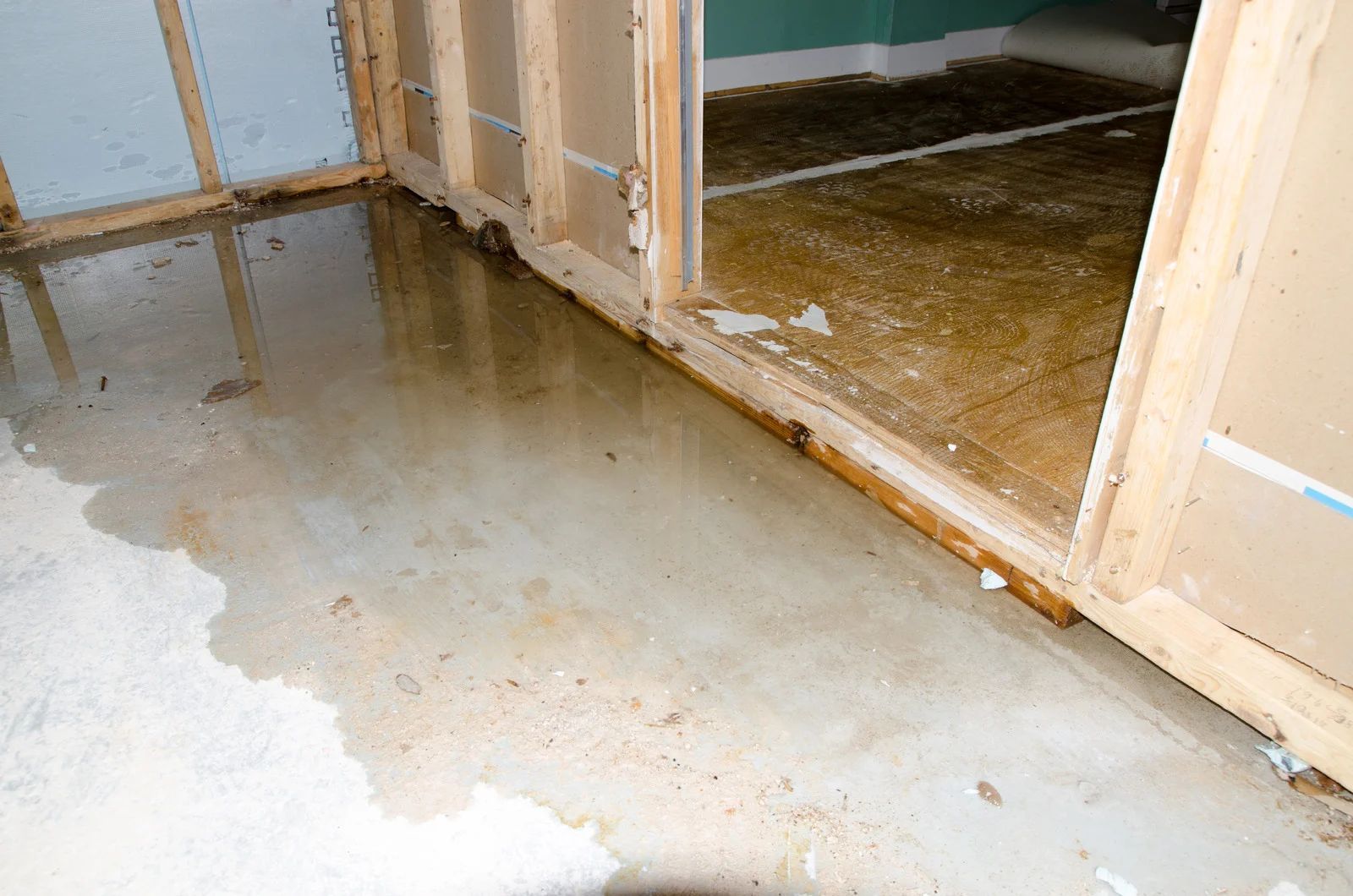
| Standing water on hard floor | Active leak, fast volume | High | Stop source, extract water within one hour to protect subfloor |
| White mineral deposits on concrete or block | Historic moisture intrusion, efflorescence | Low | Source may be resolved; test wall moisture before finishing |
| Discolored grout or caulk in bathroom | Shower pan or tile grout failure | Medium | Press adjacent drywall, check for soft spots behind wall |
How We Diagnose Water Damage in the Field
The first tool we reach for on any water damage call is a non-invasive moisture meter. We check every surface in the affected room and then extend the measurement zone to adjacent rooms, because water rarely stays where you first find it.
On service calls in Phoenix, we frequently find that the origin point is two to three rooms away from where the homeowner noticed the damage. Water follows the path of least resistance through wall cavities, along top plates, and down interior framing before it surfaces as a visible stain.
The inspection sequence we follow: locate the source and stop it, map the moisture using meter readings across every adjacent surface, identify whether the damage is still active or historical, test for elevated spore counts if the timeline suggests mold is possible, document the affected square footage with moisture readings recorded, and determine what materials are salvageable versus what requires replacement.
Repair and Restoration Options
Structural drying only. When the source is stopped quickly, and moisture has not yet penetrated framing or subfloor, professional drying with high-volume air movers and dehumidifiers can restore affected materials without replacement. This is the best-case scenario and the outcome when water damage is addressed within the first 12 to 24 hours.
Drywall replacement with drying. When drywall is saturated, but framing and subfloor are intact, drywall removal combined with structural drying saves the underlying structure. This is the most common repair profile we see when homeowners call within two to three days.
Full remediation with structural repair. When framing, subfloor, or both have sustained moisture damage beyond drying thresholds, replacement of affected structural members is required alongside remediation of any mold present. This is where timeline matters most. The difference between calling on day one versus day four can be the difference between a drying job and a structural repair job.
Certified Experts Restoring Phoenix Homes After Water Damage
The core principle of water damage is simple: every hour the moisture stays, the damage spreads. Phoenix's climate, building materials, and water quality all push that clock faster than the national average, with monsoon humidity compressing drying windows and copper supply lines producing the pinhole leaks that often go unnoticed until the wall is already saturated.
Simply Restoration
has handled water damage calls across Phoenix, Arizona, for over 20
years, including neighborhoods and communities. If you have found water damage or suspect a hidden leak, the window to act with the least structural impact is measured in hours, not days. Call us before that window closes.
Frequently Asked Questions
How fast can mold grow after a water leak in my home?
Mold can begin active growth within 24 to 48 hours of moisture exposure. In Phoenix, monsoon humidity compresses that window further. Materials only need to reach 16 to 20 percent moisture content for growth to start. A leak active beyond one day warrants a mold assessment.
Can I dry out water damage myself without calling a restoration company?
Surface moisture on hard floors can be managed with fans and a dehumidifier if caught within a few hours. Once moisture reaches wall cavities or subfloor, consumer equipment cannot meet the standards. The real risk is mold or rot developing behind walls that appear dry on the surface.
What does a pinhole leak in copper pipe look like before it becomes a visible stain?
Pinhole leaks often produce no visible symptoms for weeks. Early signs include a rising water bill, a faint musty odor, or a soft wall spot near no fixture. Phoenix hard water accelerates the corrosion that causes pinhole leaks, making them more common here than in softer-water markets.
Is water damage from a slow leak covered by homeowner's insurance?
Coverage depends on cause and timeline. Sudden accidental losses are typically covered. Long-running slow leaks detectable through normal maintenance are often excluded under neglect provisions. A professional moisture assessment can document the timeline and sometimes help clarify the nature of the loss for your insurance carrier.
What is the difference between water mitigation and water restoration?
Mitigation is the immediate response: stopping the source, extracting water, and setting drying equipment. Restoration follows once drying is complete, covering drywall, flooring, and mold remediation. Many homeowners call for restoration but need mitigation first. Working with one firm that handles both prevents gaps between the two phases.