Pipe Repair vs. Full Replacement: How Professionals Decide Which Option Is Right for Your Home
Plumbing systems play a major role in maintaining a safe, sanitary, and comfortable home. When pipes begin to leak, corrode, crack, or lose pressure, homeowners often face a difficult question: should the damaged section be repaired, or is full pipe replacement the smarter long-term solution? Making the wrong decision can lead to recurring leaks, water damage, mold growth, rising utility costs, and unnecessary expenses. Modern plumbing evaluations now involve far more than patching visible problems. Professionals assess pipe age, material condition, water quality, structural impact, and the likelihood of future failures before recommending a solution.
Across residential properties, plumbing systems experience wear from daily use, shifting foundations, mineral buildup, temperature changes, and aging materials. Some issues can be resolved through targeted repairs that restore functionality without major disruption. Others indicate widespread deterioration that requires complete replacement to protect the home from repeated damage. Understanding how professionals evaluate these situations helps homeowners make informed decisions based on safety, cost, durability, and long-term property protection. Knowing the difference between temporary symptoms and systemic plumbing failure can prevent larger restoration problems later.
Signs That Pipe Repair May Be the Right Choice
Isolated Damage With Limited Structural Impact
Pipe repair is often recommended when the plumbing issue is isolated to a specific section of the system. Small leaks, localized corrosion, loose fittings, or minor cracks can sometimes be repaired without replacing entire pipe networks. Professionals first determine whether the damage is confined to one accessible area or whether similar deterioration exists throughout the property.
Minor plumbing failures commonly result from joint separation, accidental punctures, freezing temperatures, or temporary pressure fluctuations. In these cases, repairing the affected pipe section can restore water flow and prevent additional moisture intrusion. Spot repairs are frequently used for newer plumbing systems that have not yet reached the end of their expected lifespan.
Common Repair Methods Used by Professionals
Modern plumbing repair techniques vary depending on pipe material, accessibility, and severity of damage. Professionals may use pipe patching, epoxy lining, clamp repairs, joint resealing, or section replacements to address isolated concerns. Copper, PVC, PEX, and galvanized pipes all require different repair approaches based on their structural characteristics and condition.
In some situations, trenchless repair methods allow damaged underground lines to be repaired without extensive excavation. Professionals also conduct pressure testing and camera inspections after repairs to verify that hidden leaks or secondary issues are not present elsewhere in the system.
Benefits of Choosing Repair Instead of Replacement
Pipe repair typically involves lower upfront costs, shorter project timelines, and less disruption inside the home. When the damage is limited, repair work allows homeowners to restore plumbing functionality without removing large sections of walls, flooring, or underground piping. Repairs also help preserve portions of the plumbing system that remain in good condition.
For homeowners preparing to sell a property, targeted repairs may temporarily address issues without requiring a full system overhaul. In newer homes, repairs can extend the usable life of the plumbing network while postponing larger replacement projects until they become truly necessary. However, professionals carefully weigh these short-term advantages against the possibility of recurring failures.
Warning Signs That Full Pipe Replacement May Be Necessary
Repeated Leaks Throughout the Plumbing System
Recurring leaks often indicate widespread pipe deterioration rather than isolated damage. When multiple leaks appear in different locations over a short period, professionals usually suspect aging materials, internal corrosion, or system-wide weakness. Repairing one section may temporarily stop visible water loss while hidden failures continue developing elsewhere.
Older homes with galvanized steel or polybutylene piping frequently experience repeated plumbing failures due to material breakdown over time. In these situations, constant repairs may become more expensive than replacing the entire system. Professionals evaluate repair history, pipe condition, and future risk before recommending replacement.
Severe Corrosion and Water Quality Problems
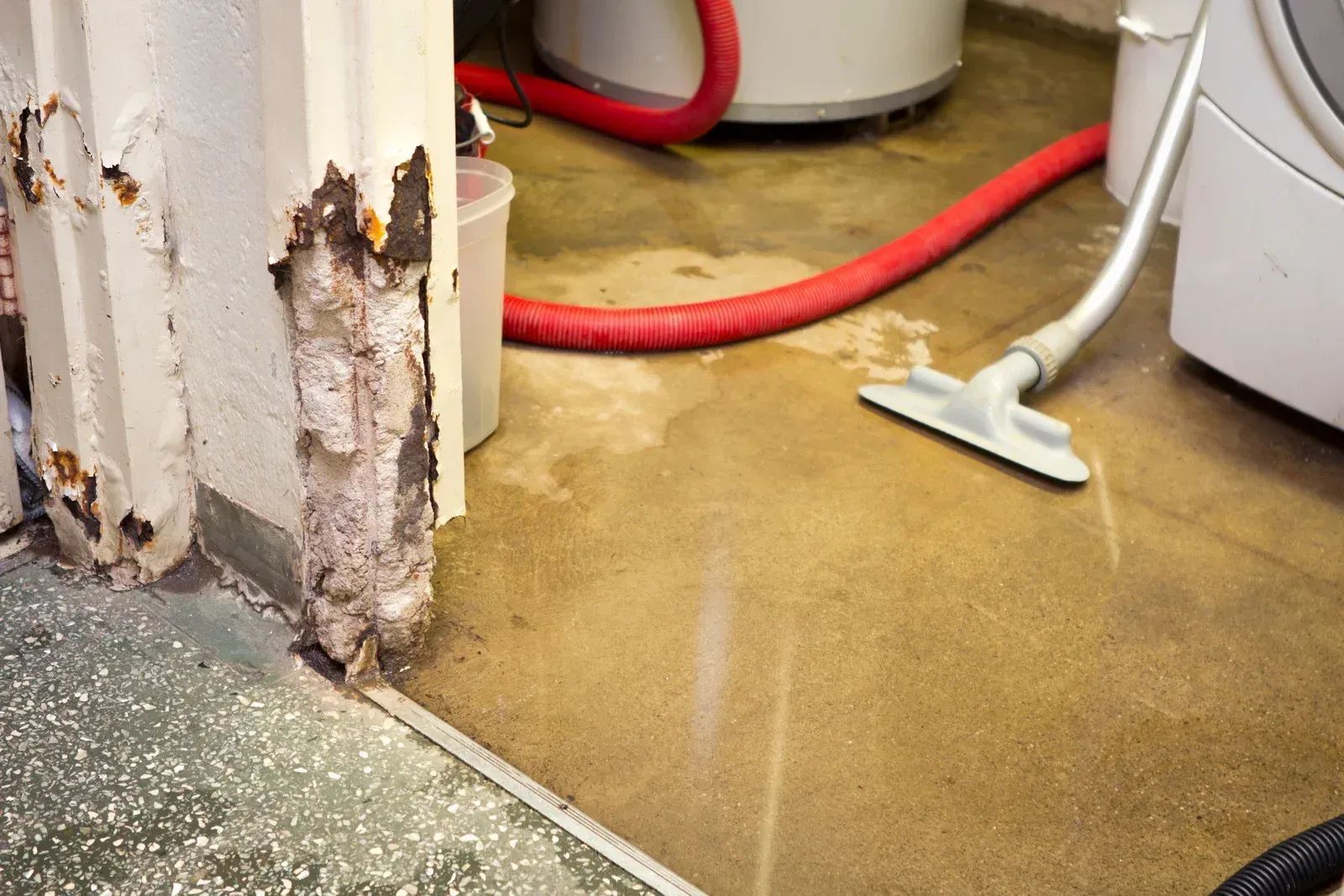
Corrosion inside plumbing pipes can restrict water flow, weaken structural integrity, and contaminate household water supplies. Rust-colored water, metallic odors, fluctuating pressure, or visible corrosion around exposed pipes often signal advanced deterioration. Internal corrosion cannot always be fully resolved through surface repairs because the pipe walls themselves may already be compromised.
Water chemistry also influences corrosion rates. Homes with hard water or acidic water conditions may experience accelerated pipe wear over time. Professionals often inspect pipe interiors using specialized cameras to determine whether corrosion has spread throughout the system. If the damage affects multiple lines, replacement becomes the safer and more reliable option.
Aging Plumbing Materials Near the End of Lifespan
Every plumbing material has a projected lifespan. Galvanized steel pipes may last 40 to 50 years, copper often exceeds several decades, and polybutylene piping has become widely associated with premature failure concerns. When older systems approach the end of their service life, professionals often recommend replacement even if only one visible problem exists.
Waiting too long to replace aging pipes increases the risk of sudden leaks, slab damage, drywall deterioration, and mold growth. Full replacement allows homeowners to modernize plumbing systems using durable materials designed to meet current building standards and water efficiency expectations.
How Professionals Evaluate Repair Versus Replacement
Comprehensive Plumbing Inspections
Before recommending any solution, professionals conduct a detailed plumbing assessment to understand the overall condition of the system. This process may include leak detection, moisture mapping, pressure testing, drain flow analysis, and video camera inspections inside pipes. The goal is to identify visible and hidden damage that could affect long-term performance.
Professionals also review the age of the plumbing system, previous repair records, water pressure levels, and signs of structural movement within the property. A single visible leak sometimes reveals larger issues hidden behind walls or beneath concrete slabs. Accurate diagnostics help homeowners avoid incomplete repairs that fail to address underlying causes.
Cost Comparison and Long-Term Value
One of the most important factors in deciding between repair and replacement is long-term financial impact. While repairs may initially appear less expensive, repeated service calls, restoration costs, and water damage repairs can quickly increase overall expenses. Professionals compare the expected lifespan of repaired pipes against the investment required for full replacement.
For example, repairing a leaking section within a severely corroded plumbing system may only postpone additional failures for a short period. In contrast, replacing the entire system can reduce future maintenance costs and improve property value. Professionals help homeowners evaluate whether short-term savings justify the potential risk of continued deterioration.
Accessibility and Structural Conditions
The location of damaged pipes also affects repair decisions. Pipes buried beneath concrete slabs, located behind finished walls, or installed under landscaping may require extensive demolition to access. If multiple inaccessible sections show signs of deterioration, full replacement may become more practical than repeated invasive repairs.
Structural conditions within the home can further influence plumbing performance. Foundation movement, shifting soil, or poor drainage may place additional stress on underground pipes. Professionals evaluate whether environmental conditions contributed to the damage and whether replacement materials should be upgraded to better withstand local conditions.
Risks of Delaying Necessary Pipe Replacement
Water Damage and Mold Growth
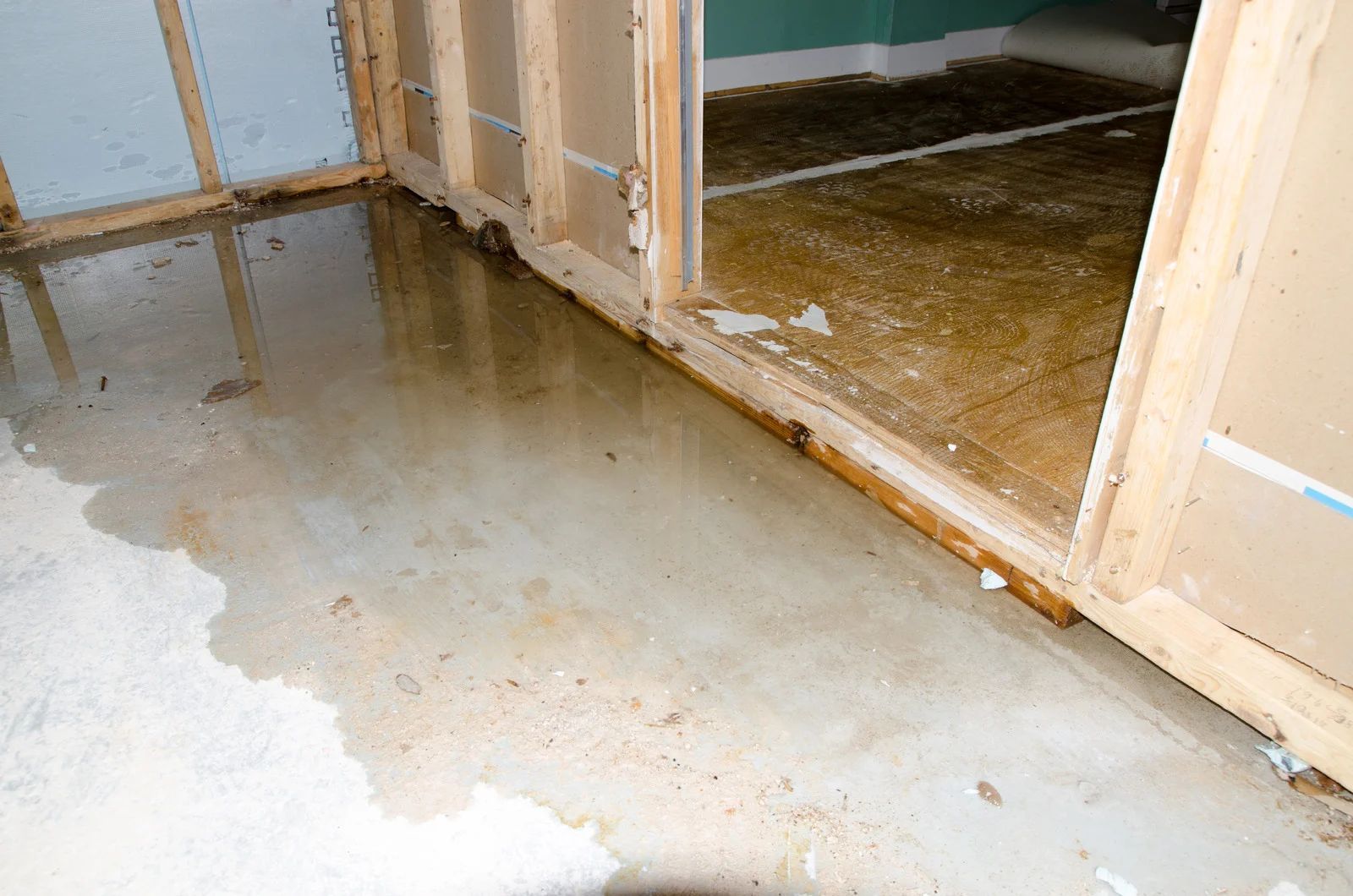
Ignoring failing pipes can lead to serious water damage throughout the home. Even small leaks hidden behind walls or beneath flooring can saturate insulation, weaken structural materials, and create conditions suitable for mold growth. Moisture damage often spreads far beyond the visible plumbing issue before homeowners detect the problem.
Mold contamination introduces additional restoration expenses and potential indoor air quality concerns. Delaying replacement in severely deteriorated systems increases the likelihood of widespread water intrusion affecting drywall, cabinetry, flooring, and electrical systems.
Increased Utility Bills and Water Waste
Leaking pipes contribute to rising water bills and unnecessary resource waste. Hidden leaks may continue for months before becoming visible, especially in slab foundations or underground lines. Reduced water pressure caused by corrosion or partial blockages can also increase strain on appliances and fixtures connected to the plumbing system.
Professionals often identify hidden plumbing inefficiencies during inspections that homeowners may not notice immediately. Replacing damaged systems improves water flow, supports efficient appliance performance, and helps reduce ongoing utility costs.
Emergency Plumbing Failures
Aging plumbing systems are more vulnerable to sudden bursts and catastrophic failures. Extreme temperature changes, pressure spikes, or deteriorating pipe walls can trigger major leaks without warning. Emergency plumbing failures frequently require immediate restoration work, temporary water shutoffs, and expensive structural repairs.
Preventive replacement allows homeowners to address plumbing concerns before emergencies disrupt daily life. Planned replacement projects also provide greater scheduling flexibility compared to urgent repairs following major water damage incidents.
Protecting Your Home With Experienced Plumbing and Restoration Support
Choosing between pipe repair and full replacement requires more than a quick visual inspection. Every plumbing system experiences different levels of wear based on age, material quality, water conditions, maintenance history, and environmental stress. Professional evaluations help homeowners understand whether isolated repairs can safely restore functionality or whether widespread deterioration demands complete replacement. Making the right decision protects structural integrity, water quality, and long-term property value while reducing the risk of repeated plumbing emergencies and expensive restoration work.
At Simply Restoration, we provide professional plumbing repair and water restoration services for homeowners throughout Phoenix, Arizona and surrounding communities. With more than 20
years of industry experience, we understand how hidden leaks, aging pipes, slab failures, and water damage can impact residential properties across the region. We use detailed inspections, advanced leak detection methods, and practical repair strategies to help homeowners make informed decisions based on the actual condition of their plumbing systems. Our experience in both plumbing repair and water restoration allows us to address structural concerns, moisture damage, and long-term property protection through every stage of the project.